
Understanding the psychology behind casino games How players make decisions
The allure of gambling: Understanding player motivation
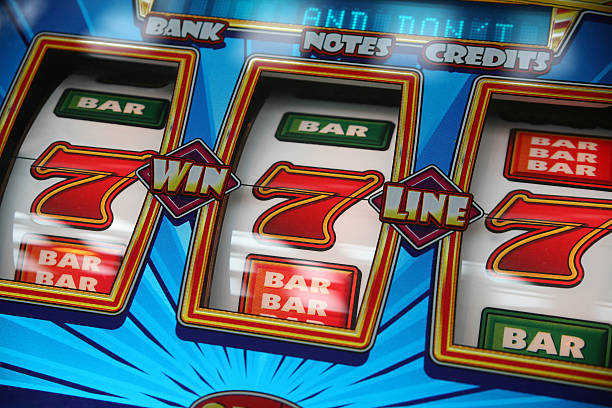
The psychology of gambling reveals that players are often driven by a complex blend of motivations, including thrill-seeking, social interaction, and the hope of winning. The excitement of a casino environment, filled with colorful lights and the sounds of winning machines, creates an almost intoxicating atmosphere that draws players in. This sensory stimulation plays a crucial role in reinforcing the desire to engage in these activities, making the experience not just about the potential monetary rewards but also about the emotional highs they provide.

Moreover, many individuals approach casino games as a form of entertainment, using them as a means to escape from everyday stress. The anticipation of a win and the emotional roller coaster of playing can become addictive. Players often seek out this escapism, leading to repeated visits to casinos where the environment is designed to keep them engaged for longer periods. online casinos australia
The role of cognitive biases in decision-making
Cognitive biases significantly influence how players make decisions while gambling. For instance, the gambler’s fallacy — the belief that past outcomes affect future probabilities — can lead players to make illogical bets based on previously observed results. Players may think that a certain slot machine is “due” for a payout after a series of losses, driving them to continue playing despite statistical evidence to the contrary.
Another common bias is the illusion of control, where players believe they can influence outcomes in games that are largely based on chance. This belief often leads to increased betting and can cloud rational decision-making. By understanding these biases, casino operators can create strategies that may encourage longer play times, further enhancing their business model.
The impact of social dynamics on gambling behaviors
The social aspect of gambling cannot be overlooked when discussing player decisions. Many individuals are motivated to visit casinos to socialize with friends or meet new people. Group dynamics can amplify the thrill of betting, as individuals may feel encouraged to take risks when surrounded by others who are equally invested in the experience. This social reinforcement can lead to increased spending as players seek to match the energy of their peers.
Additionally, the influence of peer pressure can adjust a player’s risk appetite. A person’s decision to gamble may be heavily swayed by the behaviors and attitudes of those around them, leading to choices that they may not make individually. This aspect underlines the importance of community and social validation in the gambling experience.
The psychological effects of big wins and losses
The psychological aftermath of winning and losing in casinos plays a critical role in shaping future gambling behaviors. A big win can provide a euphoric experience that reinforces gambling as a positive pastime. This rush can lead to a cycle of wanting to recreate that high, often resulting in players taking higher risks in hopes of another significant win.
Conversely, the experience of losing can lead to negative feelings, such as frustration or anger, which some players try to counteract by increasing their bets in hopes of recovering losses. This “chasing losses” mentality can lead to a downward spiral, as players may find themselves in financial trouble while attempting to regain their lost funds, showcasing the darker side of casino psychology.
A resource for understanding gambling behavior
This website serves as a valuable resource for individuals seeking to deepen their understanding of casino psychology and gambling behavior. Whether you are a player looking to be more aware of your decision-making processes or a researcher examining these patterns, the site offers insightful information to enhance your comprehension of this complex subject.
By exploring various aspects of gambling psychology, users can gain insights that empower them to make more informed decisions. The goal is to foster a deeper awareness of how psychological factors affect gambling behaviors, contributing to a more responsible gaming environment for all. With the right knowledge, players can enjoy the thrill of casino games while maintaining control over their choices.
